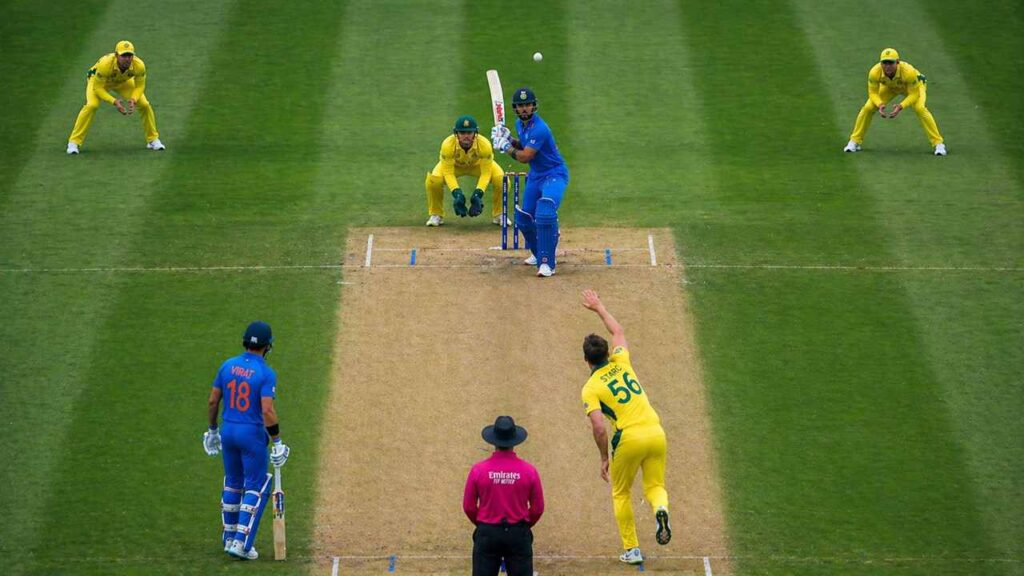
Cricket has some moments that can be very frustrating for a batsman. At the same time, it can also bring disappointment for the bowler. This small moment can sometimes decide the fate of the entire match. This is a rule of the game, which is known in cricket as the height ball. Many people think it’s just a rule but in reality it is an important part of ensuring the safety of the batsman and maintaining the balance of the game.
In simple terms, a height ball is a delivery that goes above the batsman’s normal reach. This means the ball comes directly above the waist or towards the upper body. In many cases, it is called a no-ball, which gives the batsman an extra advantage and can even change the course of the game.
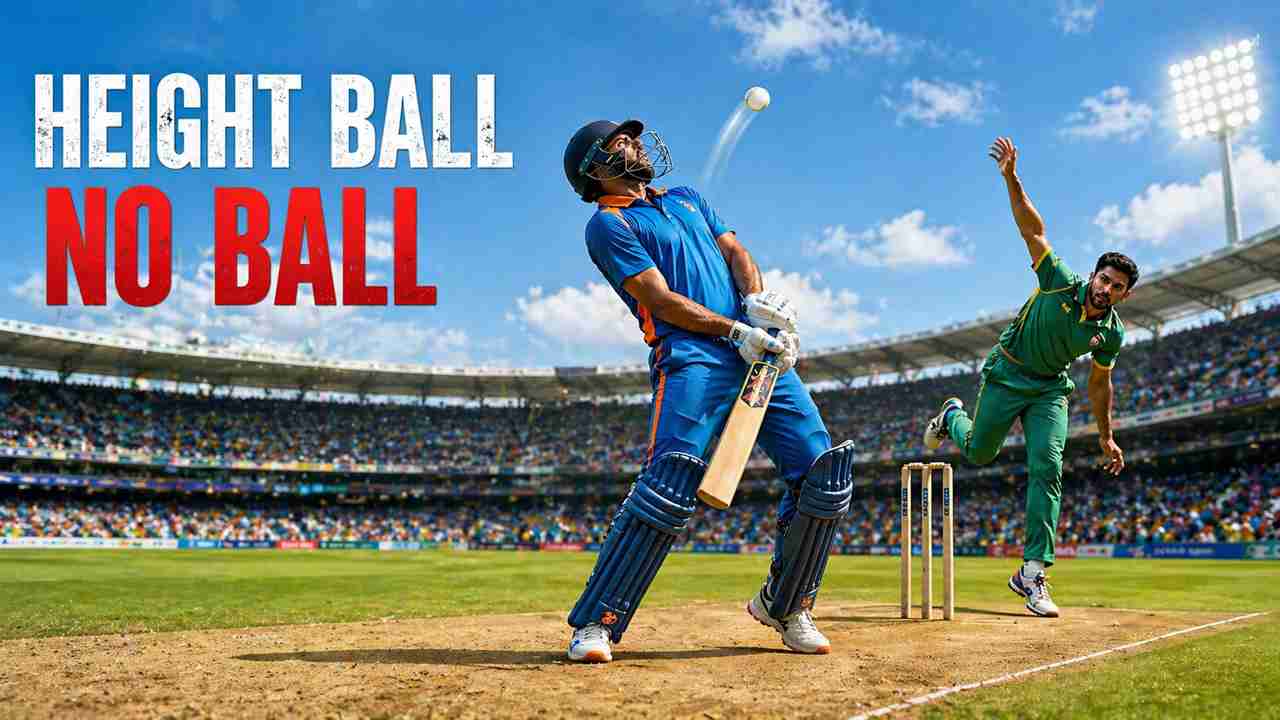
Why is a height ball called a no ball?
Cricket is not just about winning or losing. Every ball in the game carries the safety of a player, his confidence, and even the flow of the match. In just a split second, the ball leaves the bowler’s hand. But when a fast full toss suddenly rises above the batsman’s waist, everything changes. The noise of the crowd seems to fade, and all eyes turn towards what might happen next. It becomes a tense and uncomfortable moment, one where a single height ball can break the natural rhythm of the game.
This kind of delivery is not just difficult, it can be dangerous. Even before the batsman is fully ready, the ball rises sharply towards the upper body, creating a real fear of injury. Especially when it comes from a fast bowler, the speed makes it even more risky. A mistake of just a second can lead to serious consequences, turning a single delivery into a moment of real danger.
That is why this rule in cricket is so strict. Any full toss that goes above the waist is immediately called a no-ball; there is no room for doubt. The moment the umpire raises his hand, everyone understands that something has changed. The batting team gets an extra run, and in limited-overs matches, it also brings the excitement of a free hit where the batsman can attack without fear.Just one wrong delivery can turn the entire match around. That’s the beauty of cricket. Every moment carries a bit of drama. And a height ball often becomes one of the most intense and game-changing moments in that drama.
Types of Height Ball: Are All Deliveries the Same?
Not all height balls are the same. There are some important differences between them
• Full Toss Height Ball:
This is the most common type. The ball goes directly above the batsman’s waist without bouncing.
• Bouncer:
This is not exactly a height ball because it first hits the pitch and then rises. However, if it goes too high especially above the head it can be called a wide or even a no-ball.
• Mistimed or Mistake Delivery:
Sometimes, due to a slight mistake in the bowler’s release, the ball turns into a height ball. Even a small error can change the nature of the delivery.
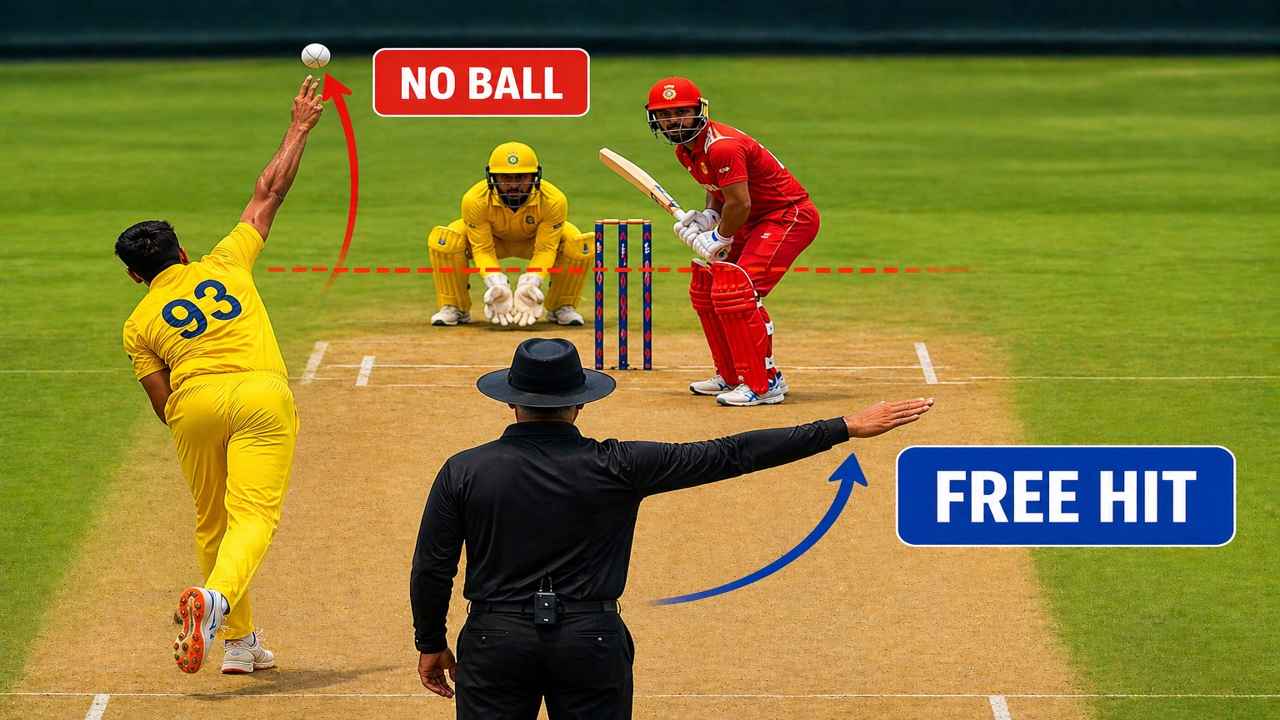
How the Umpire Makes the Decision
It is not always easy to judge a height ball. The umpire has to consider a few important things The position of the batsman. The speed and height of the ball Whether the delivery is a full toss or not In many cases, especially in big matches, umpires also take help from technology like TV replays to make the right decision.
Impact of a Height Ball in a Match
A height ball is not just a no ball it can completely change the direction of a match.
Extra Run: The batting team gets 1 extra run
Free Hit: The batsman gets a chance to play a big shot without much risk
Pressure on the Bowler: Repeated mistakes can increase pressure and even lead to losing the match
In many big matches, we have seen how a single wrong height ball has changed the entire momentum of the game.
How Bowlers Avoid Height Balls
Professional bowlers usually follow some important techniques
Practice the correct yorker regularly
Keep the release point accurate
Stay calm under pressure
Control full toss deliveries during net practice If these are done properly, the chances of bowling a height ball become much lower.
What is a height ball in cricket?
A height ball in cricket usually refers to a delivery that rises above the batsman’s waist without bouncing. In most cases, this type of ball is called a no-ball because it can be dangerous for the batter.
Why is a height ball called a no-ball?
A height ball is called a no-ball mainly for player safety. If a fast full toss goes above waist height, the umpire immediately signals a no-ball to protect the batsman from possible injury.